

Guantanamo Voices
Shay Sarah Mirk , Various , and Omar El Akkad
Format:
Ebook
Publication Date: September 8, 2020
Available from:
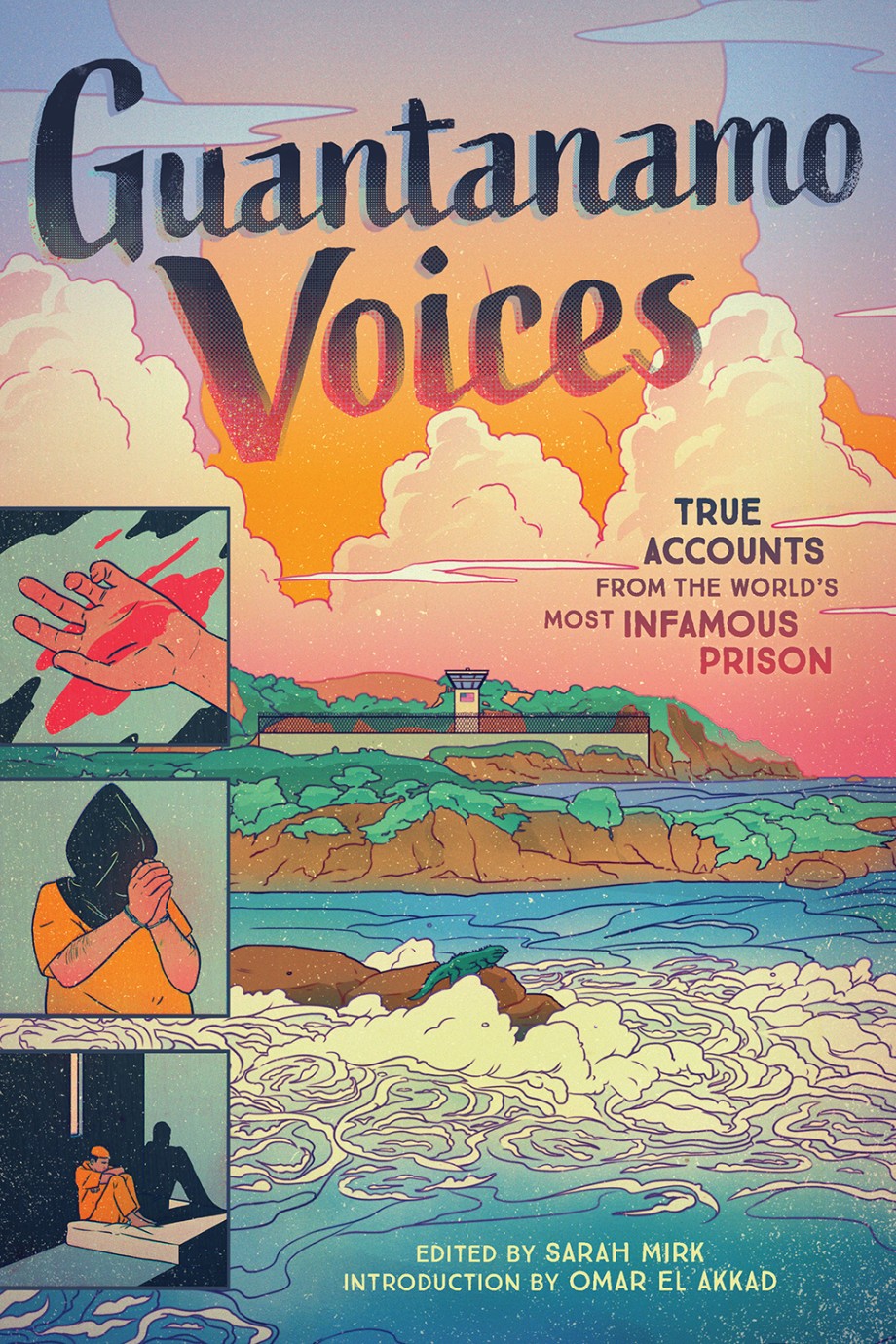
Guantánamo Voices is a groundbreaking graphic nonfiction anthology that brings to light the human stories behind one of the world's most infamous prisons.
Journalist Sarah Mirk—working with a diverse team of acclaimed comics artists—presents deeply reported, illustrated accounts of the people whose lives were shaped by Guantánamo: former prisoners, military personnel, lawyers, social workers, and activists.
In January 2002, the U.S. government transferred its first detainees—Muslim men suspected of terrorism—to the newly constructed facility at Guantánamo Bay, Cuba. They would become the first of roughly 780 individuals ultimately imprisoned there. The vast majority of all detainees have never been charged with a crime. This book documents those staggering human and political consequences through ten first‑person narratives, each adapted into visual form by a different illustrator, creating a powerful tapestry of styles unified by truth.
Mirk's oral histories, paired with striking artwork, explore the experiences of detainees navigating indefinite imprisonment; attorneys confronting a legal system stretched beyond recognition; and service members wrestling with the moral contradictions of their roles. The anthology situates these stories within the broader context of post‑9/11 policy, examining how fear, secrecy, and shifting legal interpretations allowed Guantánamo to become a symbol of the global "War on Terror."
The collection also includes contextual material that deepens its impact—maps, timelines, and original drawings by detainee Abu Zubaydah, alongside insights from Omar El Akkad, whose introduction underscores the facility's ongoing legacy.
Award‑winning outlets have praised the book for its clarity, compassion, and unflinching honesty, calling it "an eye‑opening, damning indictment of one of America's worst trespasses" (Kirkus) and "a surprisingly artful book" that illuminates suppressed histories (New York Times).
Today—more than twenty years after Guantánamo opened—its controversies remain unresolved.